Water after your massage

Why is it so important to drink water after your massage you might ask? Drinking water after your massage will help you get the most benefit from your treatment in the following ways..

Essentially, massage therapy increases circulation and ‘unblocks’ muscle tissues. Those ‘hurt so good’ spots are areas that have been nutrient deprived or circulation blocked due to constricted muscles and/or trigger points, which comes from stress, physical activity, emotion distress or injury.

Muscle manipulation through massage releases these tight areas and requires the assistance of water to help flush out an array of toxins that have been stored in the tissues. Water is the avenue for our bodies post treatment to flush out lactic acid and metabolic wastes that caused these knots.

Toxins can enter your tissues in the following ways:


  • Physical and emotional stress
  • Drinking, smoking and coffee
  • A poor diet
  • Your job and environmental conditions
  • Pills and Medications


safe gardening

With spring yard clean up and garden planting comes clearing fallen branches and getting that shovel back into the earth.  Protect yourself by practicing safe gardening standards including:

  • proper ergonomics when lifting heaving objects and soils / mulches,
  • getting help with removing overhead limbs and branches,
  • taking the time to stretch your back and legs after kneeling in the garden beds,
  • limit prolonged repetitive movements to avoid overuse injuries and
  • use the proper tool for the job

TMJ Dysfunction and National Dental Hygienists

April is Oral Health Month and an important part of this celebration is National Dental Hygienists Week™, celebrated annually in the second week of April. Good oral health is critical to overall health.

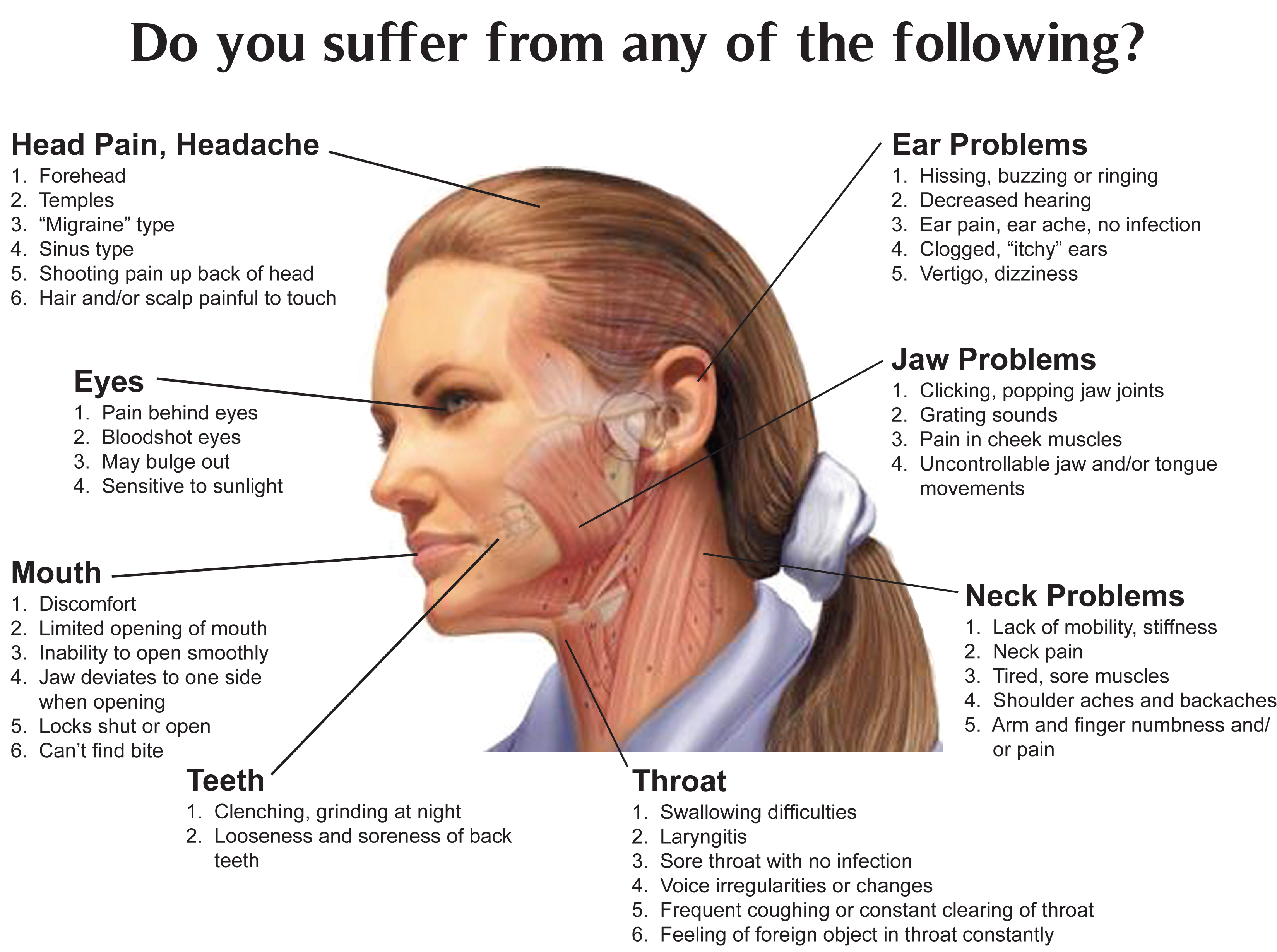
Did you know that Massage Therapy can help TMJ-Diagramalleviate symptoms of TMJ dysfunction and help build jaw awareness to correct muscle imbalances in the jaw?

TMJ dysfunction is a disorder of the muscles of mastication (chewing and speech), the temporomandibular joints and associated structures. It can manifest as head, jaw and/or ear pain and is associated with:

  • popping and / or clicking in the jaw,
  • range of motion changes in the jaw (limitations and/or deviations when opening and closing), and
  • lock jaw.

Potential causes of the dysfunction are:

  • muscle imbalances in the jaw,
  • muscle overuse (chewing gum, chewing on one side, prolonged yawning, pipe /cigar smoking, or an activity / occupation requiring a mouthpiece or mouthguard etc),
  • malocclusion (loss of a tooth or molar, disturbing the mouth’s balance),
  • bone alignment and postural dysfunctions (scoliosis, head forward postures – think desk jobs, leg length discrepancies etc),
  • increased stress (clenching jaw, grinding teeth),
  • direct physical trauma,
  • sinus blockage or infections, and
  • joint pathologies (hypermobility, osteoarthritis etc)

Contact your friendly neighbourhood massage therapist if you experience any of these symptoms.  Or call the clinic to book an appointment at 830.6600


Injury Prevention

I had the pleasure of presenting an Injury Prevention seminar for the Running Room’s 1/2 Marathon clinic last night, what an awesome group of dedicated athletes!! Best wishes to you all in your final month of training and on your race days!

Foot Pain?

Do you experience any of the following symptoms?

  • mild to severe pain on the sole of your foot / heel, especially first thing in the morning or after being seated for an extended period of time?
  • inflammation in the sole of your foot?
  • ‘fallen arches’ or flat feet?

If so, you may be experiencing Plantar Fasciitis, an overuse condition resulting in the inflammation of the plantar fascia. [Plantar (sole of foot), fascia (a connective tissue) and ‘itis’ (inflammation)].

Plantar fasciitis is the most common cause of foot pain in athletes, and also affects those that stand for prolonged periods of time. The plantar fascia acts like a bowstring during walking phases and when coming up onto the toes. Overuse and stress causes tissue fatigue and microtearing.

Excessive pronation (weight on inside edges of feet, sometimes caused by flat feet) also stretches the plantar fascia, supporting ligaments and intrinsic muscles of the feet, leading to more microtearing. Conversely, excessive supination (weight on outside edges of feet) and increased body weight can place greater compressive forces at the heel, requiring the heel fat pad and the fascia to absorb more stress / shock. This in turn causes the soleus muscle of the calf to compensate, and further compounds the stress placed on the fascial attachments. Bone spurs on the heel may also result.

Therapeutic massage can help alleviate the symptoms of plantar fasciitis, and get you hopping, skipping and jumping again.

Some causes include..

  • overuse (ie: overtraining, poor technique, running on hard surfaces, prolonged standing, running, dancing)
  • poor biomechanics (ie: excessive pronation or supination)
  • short / tight muscles (particularly of the lower leg)
  • improper / worn out footwear
  • weight gain (including pregnancy)